Nikon Z 14-30 mm f/4 SThe Nikon Z 14-30 mm f/4 S was introduced in early 2019, and is still in production. According to Nikon, this was the world's first full frame 14 mm zoom that can use front-mounted filters. Together with the larger and much more expensive 14-24mm f/2.8 S, this lens is currently the widest full frame wide-angle in the Nikon Z system (except for third-party lenses). Although this lens also works on DX cameras, it is "wasted" on these cameras, because it produces a field of view equivalent to a 21-45 mm lens. The widest DX zoom currently available for DX cameras is the 12-28 mm PZ, which produces a field of view equivalent to an 18-42 mm on full frame and is quite cheap and very lightweight (in part because it uses a plastic lens bayonet). However, it produces remarkably good results for its price. The Nikon Z 14-30 mm in practice
. 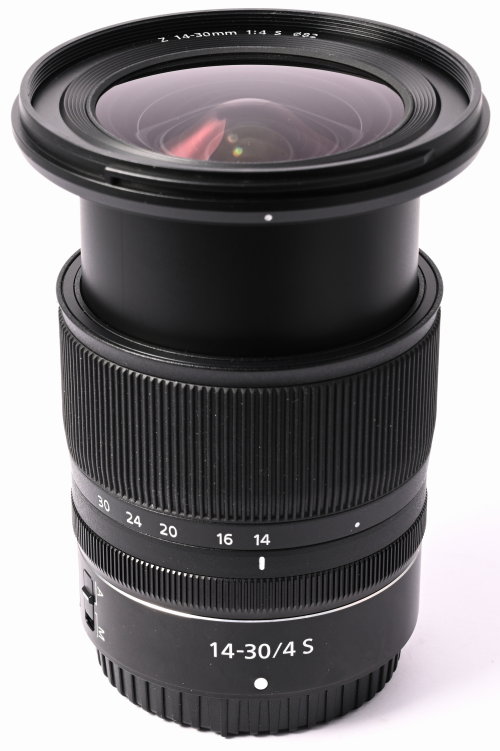
This lens uses a stowed configuration to cut down the physical lens length (85 mm from filter mount to lens mount flange). Unexpectedly, the lens extends to 113.5 mm when un-stowed, which corresponds to the focal length of 14 mm. From there, it shrinks to 103 mm at 24 mm, then slightly extends again to 103.5 mm at the 30 mm focal length. If you store this lens in a camera bag/backpack with the lens front accessible, it is easy to accidentally un-stow this lens by pulling it out by its lens front. For this reason, I would suggest that you skip stowing the lens before storing it in its bag compartment, if the latter is deep enough to contain the lens at its maximum extension. If possible, you could also skip reversing the lens shade onto the lens front. This could save you several seconds if you are reaching for this lens in a hurry. The lens weight is 485 g, which is slightly less than the 650 g of the Nikkor Z 14-24 mm f/2.8. The latter lens is much longer than the 14-30 mm, does not collapse into a stowed configuration, has a shorter zoom range, costs much more, and uses much larger front filters (third-party proprietary square 112 mm filters, versus standard 82 mm filters). The 14-24 mm can also use proprietary rear-mounted filters in a proprietary third-party filter holder. 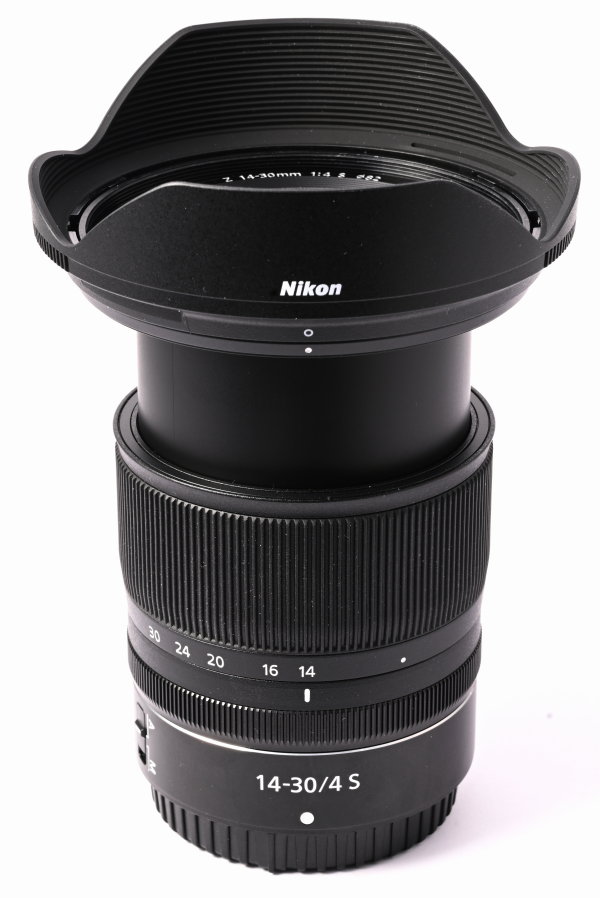
The filter mount has a diameter of 82 mm, and is made of plastic. The HB-86 scalloped lens shade is supplied with the lens and can be reversed onto the lens front when not in use. I would recommend always mounting it in forward orientation when using this lens outdoors. Lens controlsThe zoom ring is large, and has a click-stop at 14 mm to prevent accidentally zooming past the 14 mm mark and into the stowed configuration. This lens also has a configurable control ring that by default works as a by-wire focus ring. The sculpturing of this ring is similar to dedicated focus rings. This is a feature shared by a few early Z lenses (e.g. the 24-70 mm f/4 S), before the control ring got its current finely cross-hatched texture, so sharp that it feels almost abrasive to the touch. The only additional hardware control is the A/M focus mode slider near the lens mount, on the left side of the barrel:
FocusFocus is internal, with both the rear and the front optical surfaces remaining immobile. The control ring by default works like a by-wire focus ring. Optics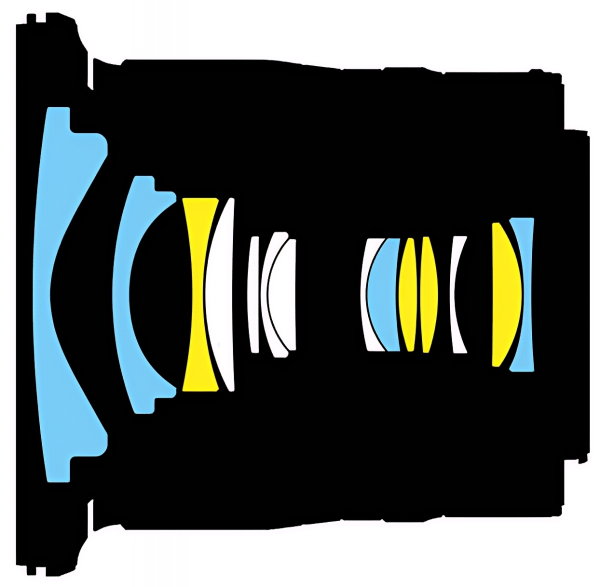
The optical scheme uses 14 elements in 12 groups. In the above figure, yellow indicates four ED glass elements, and blue four aspherical elements. The rear surface of the front element is strongly aspherical, as visible even to casual observation (see Figures 1-2). It would be interesting to know how Nikon makes this element, but I found no information. Weather sealingThis lens is fully weather-sealed. Place of manufactureMy specimen of the lens was made in Thailand. Image qualityI carried out the following tests with the 14-30 mm mounted on a handheld Nikon Z8, with VR enabled. I tested the lens at full-stop intervals from f/4 to f/16 and at the focal lengths of 14, 20 and 30 mm. The first series of images shows the results at 14 mm. The weather was heavily overcast with intermittent rain, which is the primary cause of the grayish and low-contrast appearance. Cloud cover changed rapidly during the test, but not to the extent of invalidating the results. AF was set in the approximate center of the image. The 1:1 crops are from the central region of the frame, albeit not the exact center. 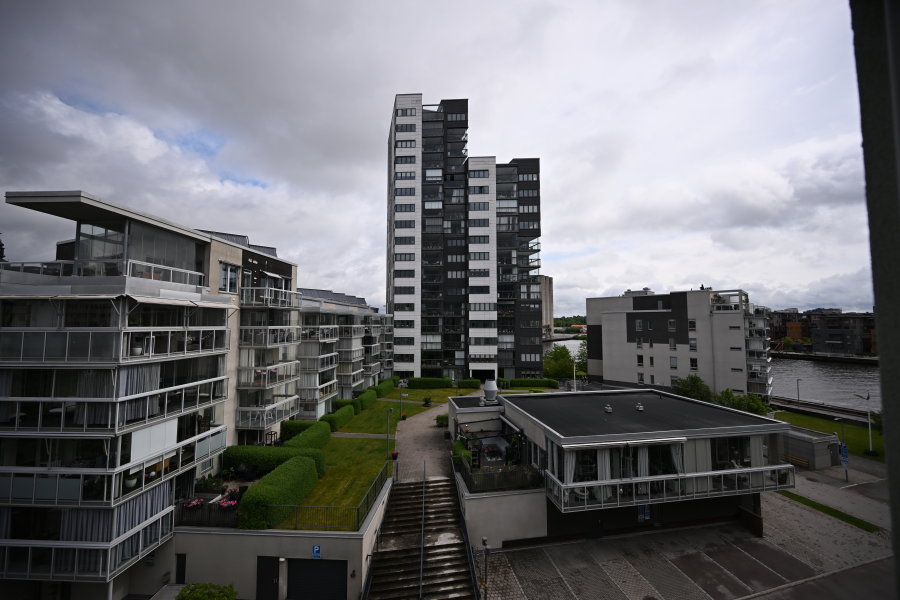

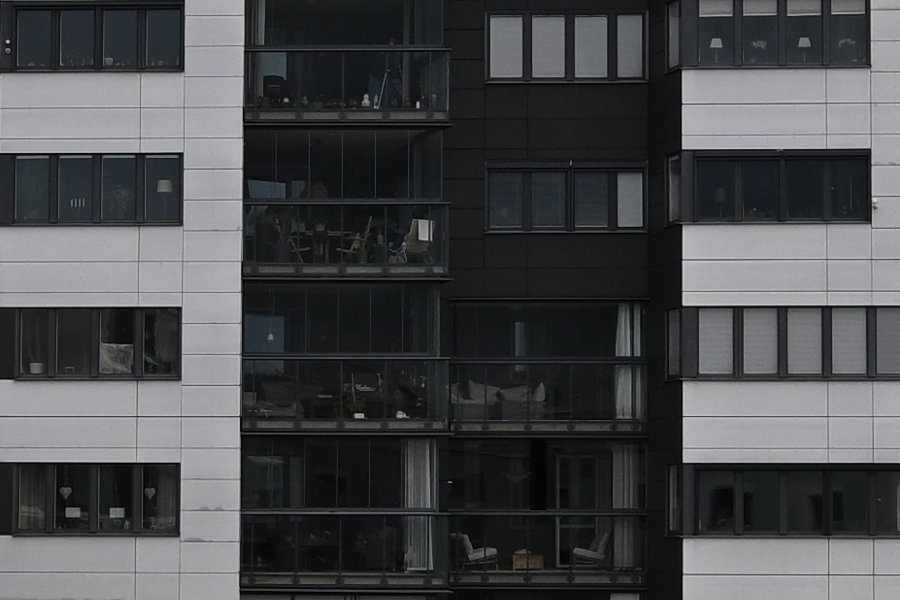

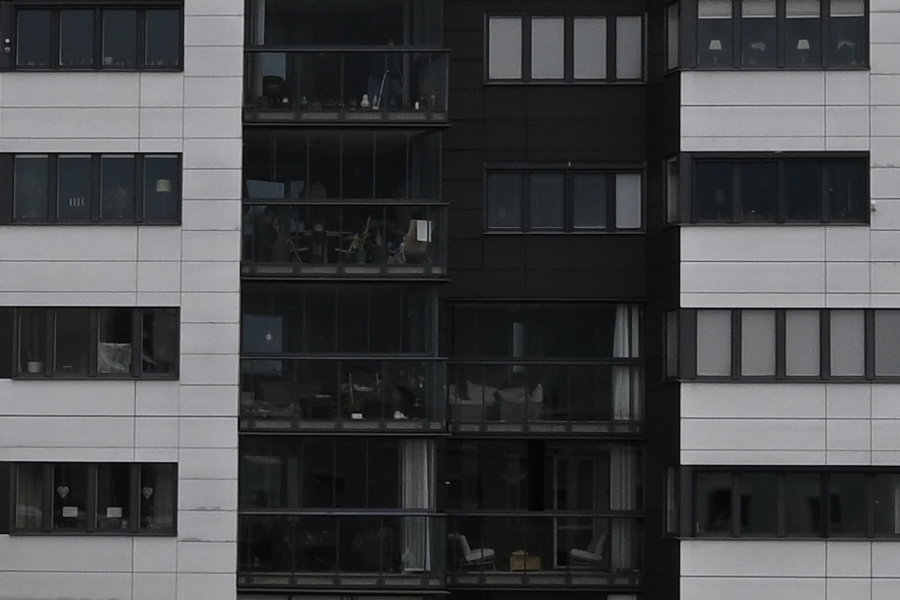
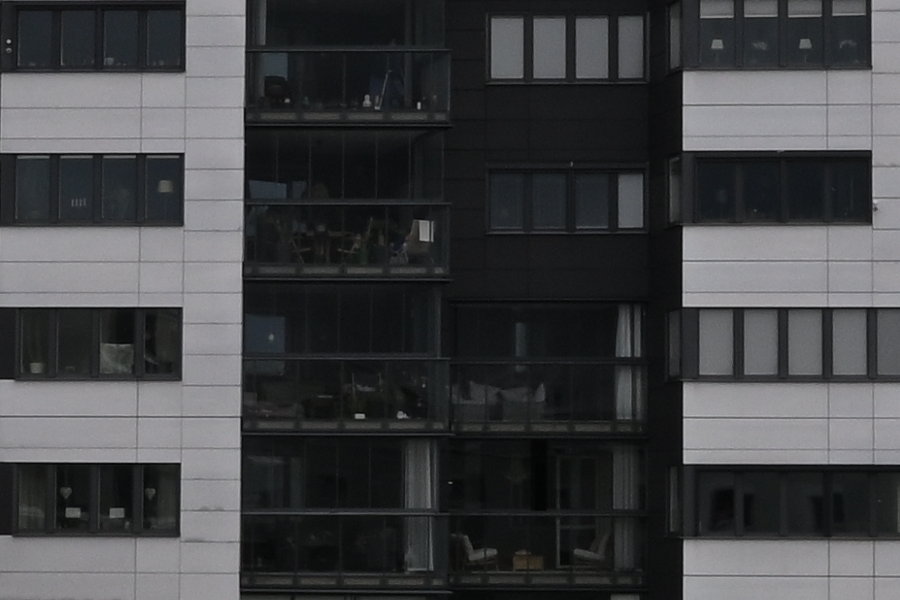
The above image series shows the best sharpness at f/4, and afterwards a slight and gradual worsening of resolution up to f/11. The worsening becomes more noticeable between f/11 and f/16. Nonetheless, f/16 remains very sharp when the whole 47.5 Mpixel image is observed. The next series shows the extreme lower left corner of the same test images. Hand-holding caused small changes in framing, which in this case cannot be corrected by picking exactly the same subject area by using reference points on the subject. 
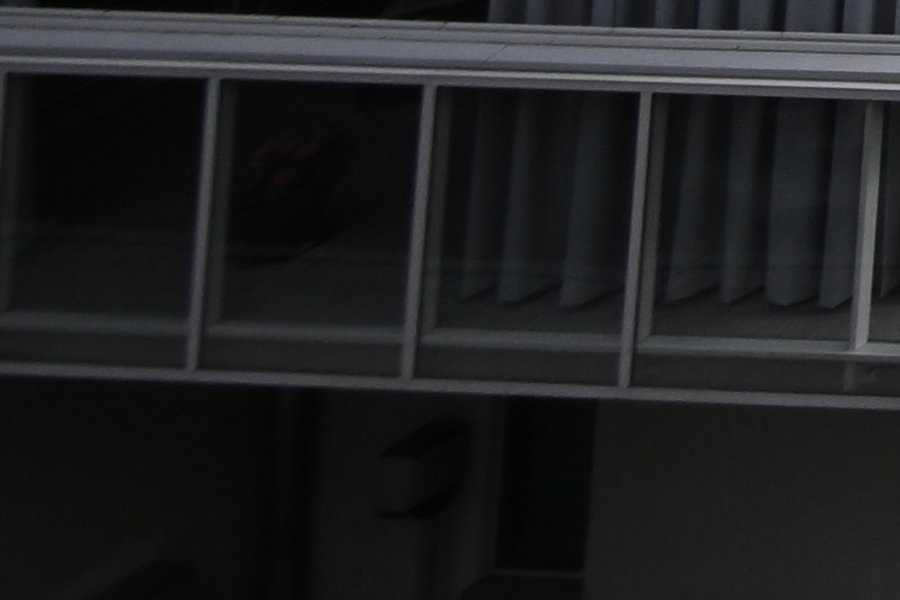
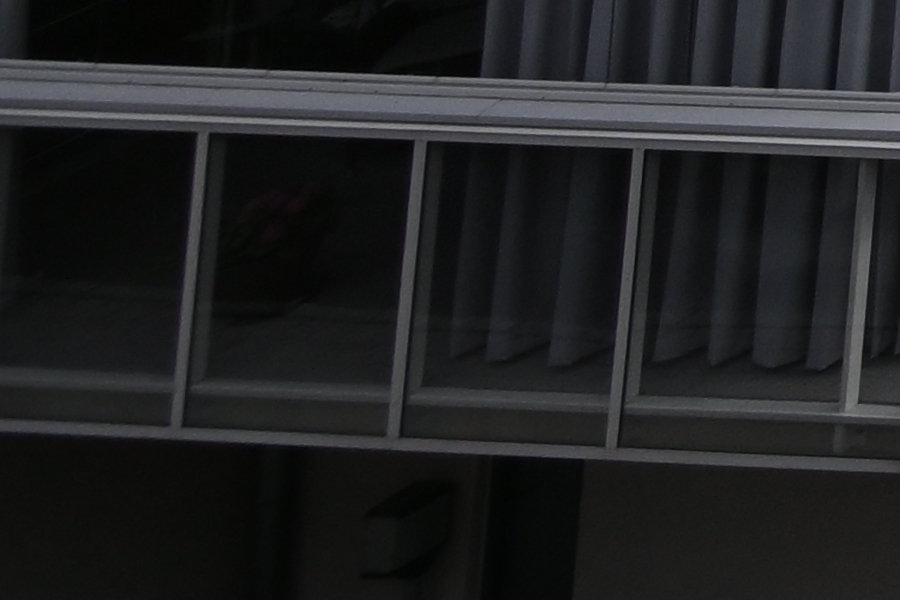
At f/4, the image in the corner is visibly blurred, but gets gradually better moving radially inwards for about 1,000 pixels. The blurred area decreases to about 700 pixels at f/5.6, and further decreases to about 500 pixels at f/8. It continues to decrease while stopping down, but diffraction becomes visible at f/16. I regard this amount of blurring as typical of high-end modern zooms at 14 mm. The next series shows the performance at 20 mm FL. 
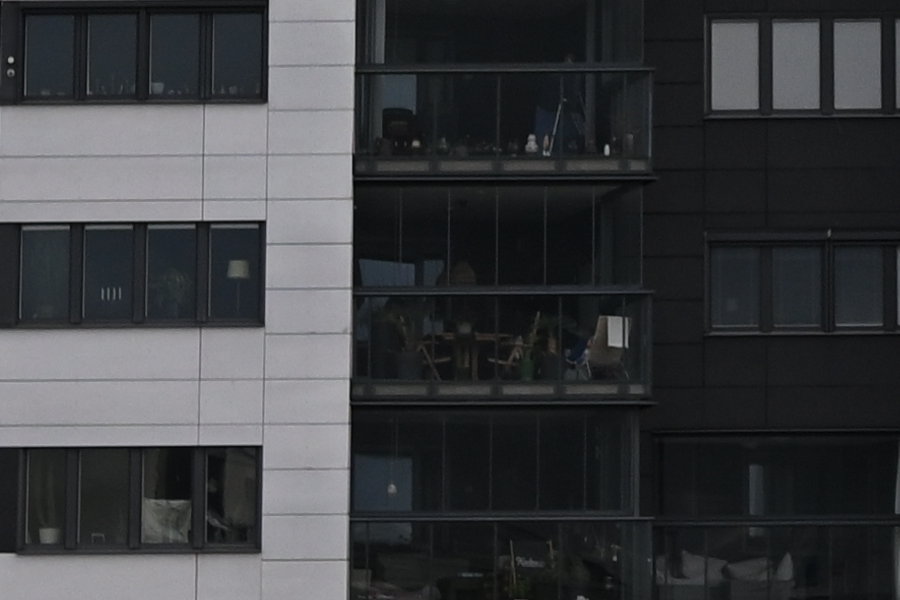
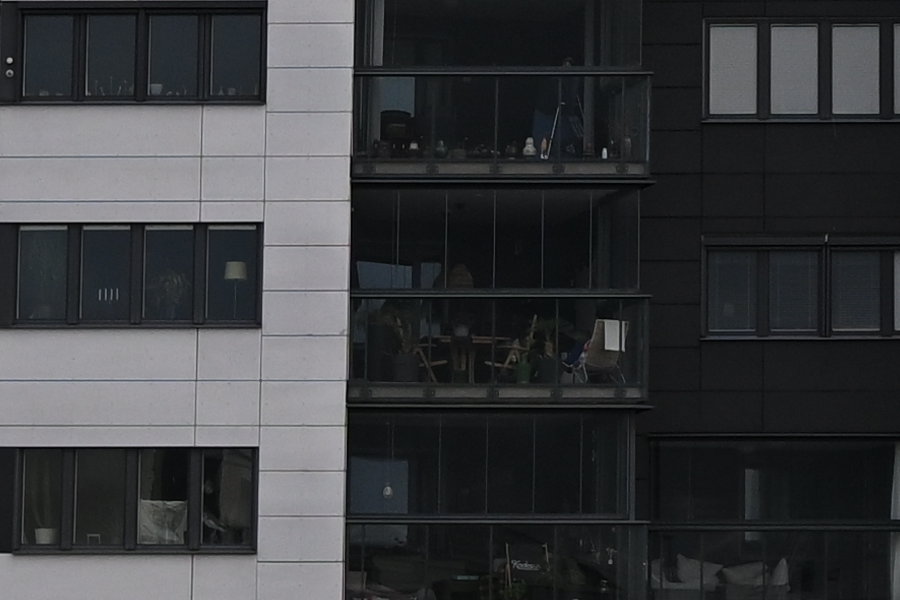

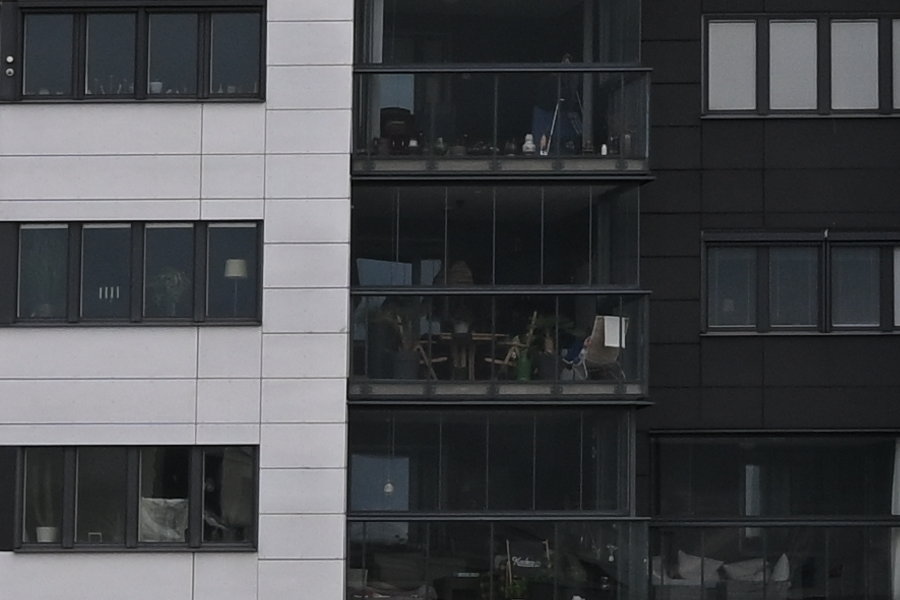
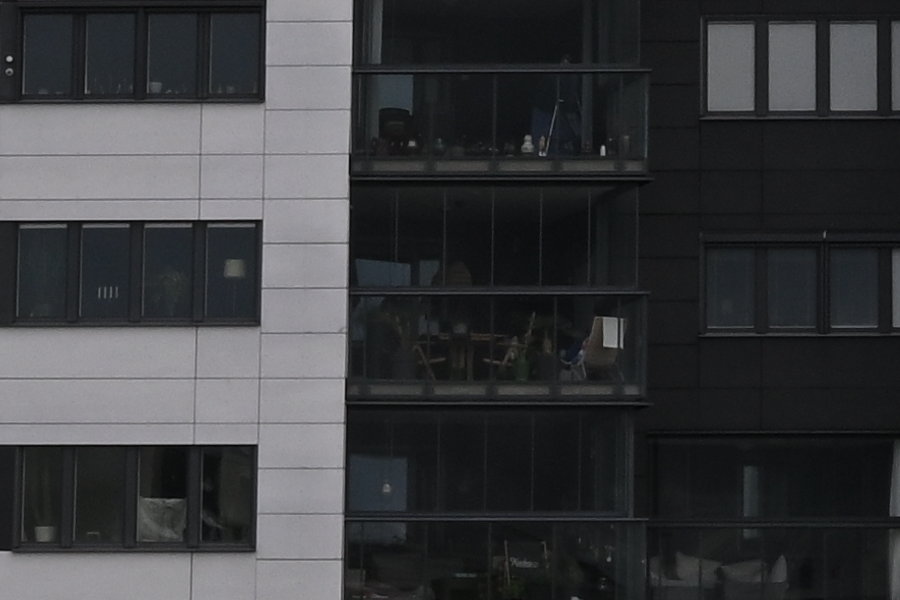
Image resolution at 20 mm and f/4 is a little lower than at 14 mm at f/4. I shot two test images at all apertures, and both images at 20 mm and f/4 display this dip in performance. I do not think it was caused by a random accident during testing. Performance is visibly better at f/5.6 to f/11, with the expected dip caused by diffraction at f/16. Performance in the extreme lower left corner at 20 mm (not shown in the figures) was just a little worse than in the center at f/4, and essentially the same as in the center at higher apertures. The next series was shot at 30 mm focal length. 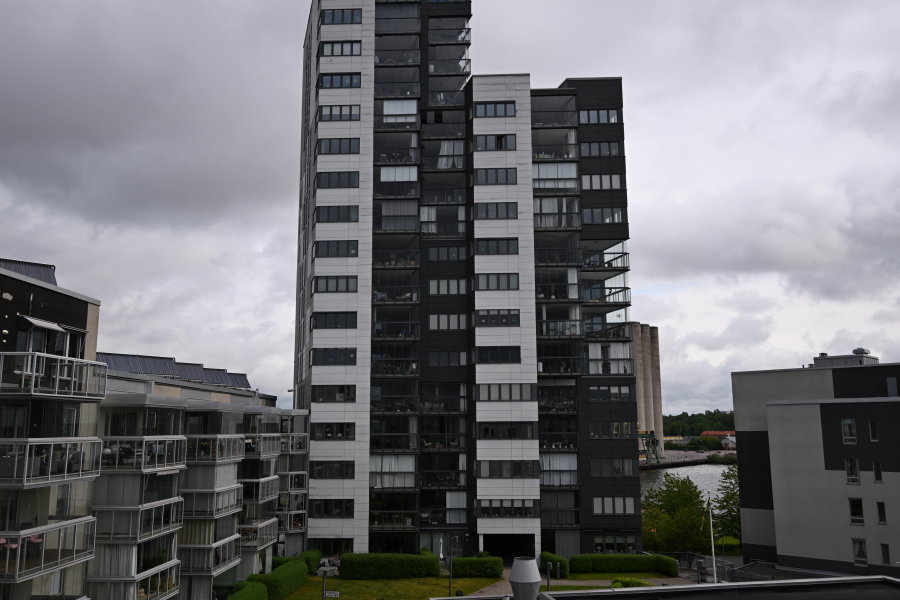
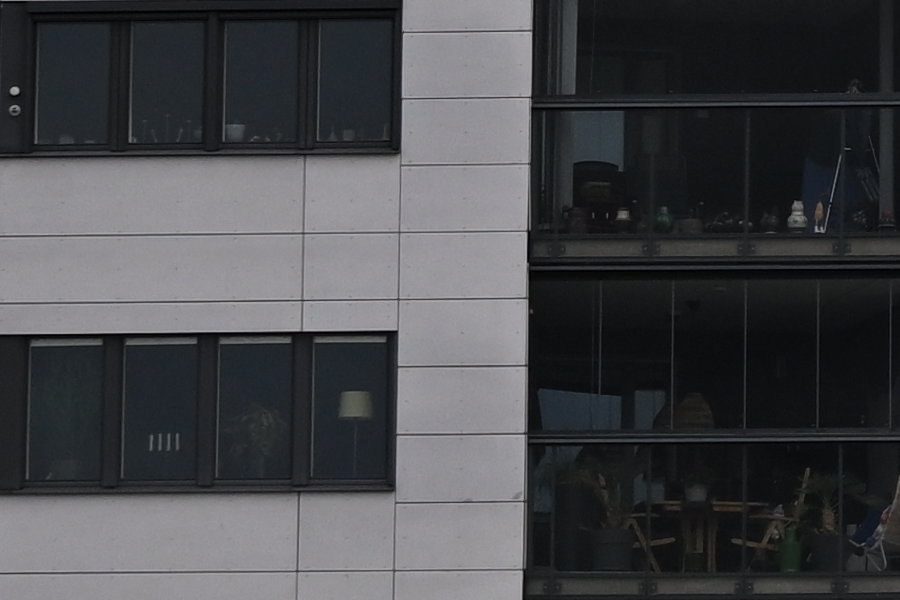

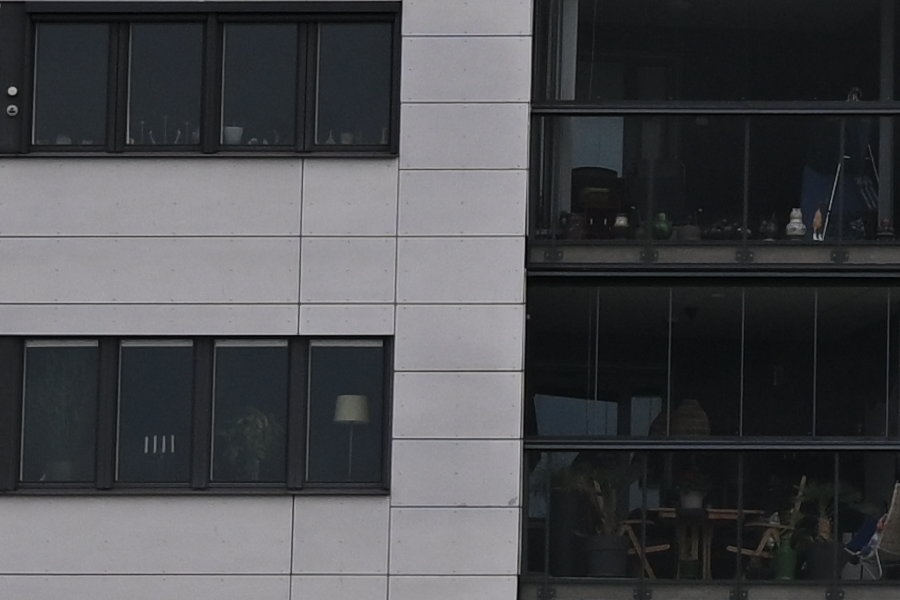
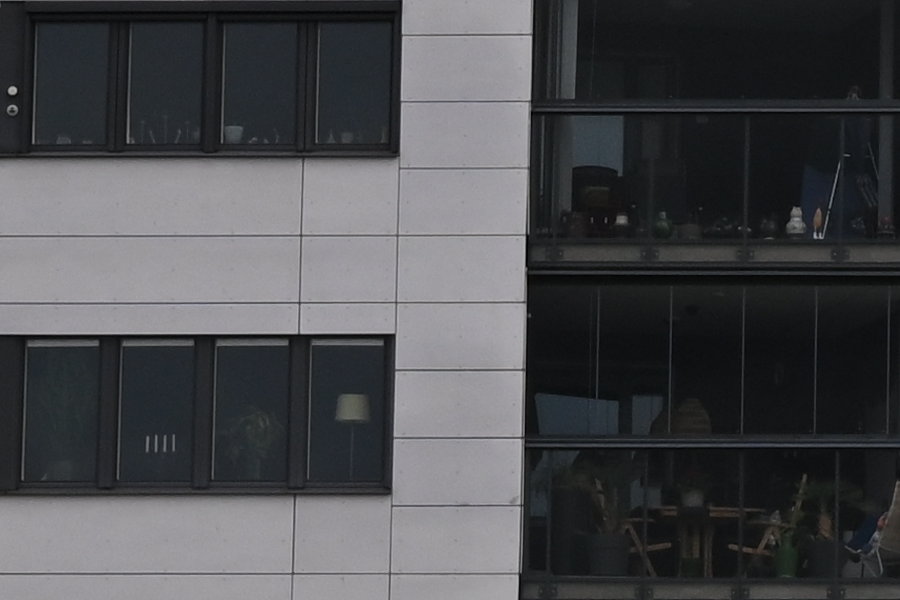
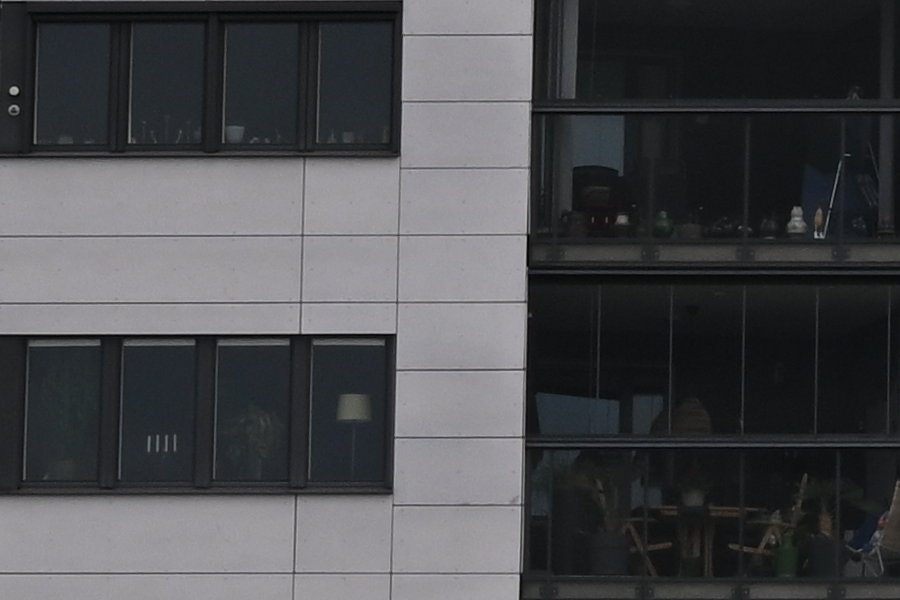
The dip in image resolution observed at 20 mm and f/4 is not present at 30 mm. At this focal length, image resolution is essentially the same between f/4 and f/16. In conclusion, image resolution in a broad central region is almost constant at all tested focal lengths and between f/4 and f/11. An unexplained small dip in image resolution occurs in the central region at 20 mm and f/4 (Figure 15), but this is of little practical consequence. Image resolution in the extreme corners, up to a distance of about 1,000 pixels from the corner, is lower than in the center at 14 mm and f/4. The affected area decreases at f/5.6, and further decreases at f/8 (Figure 11-13). Alternatives to the Z 14-30 mm f/4 SThe only real alternative in the Nikon Z system is the 14-24mm f/2.8 S. This lens is larger, heavier, and much more expensive than the 14-30 mm.
I initially bought a second-hand specimen of the legacy AF Nikkor
14 mm f/2.8 D (which was actually designed and made by Tamron, and
subsequently modified externally for marketing under the Nikon brand) to use it on my Z8 via an FTZ lens
adapter. However, I run into the unexpected problem that this lens cannot focus farther than about 30-40 m
in the center of the image.
Lenses that can focus slightly past infinity, like many modern lenses do, would not display this problem. This is why I can successfully use the AF 16 mm f/2.8 fisheye on the same adapters. However, the index of the distance scale of this lens, when mounted on these adapters and focused at infinity, does not align with the infinity focus mark. This proves that something is wrong with the physical length of these adapters. ConclusionsThe Nikon Z 14-30 mm S is reasonably priced and reasonably sized, relatively lightweight, optically excellent, and a good alternative to the Nikkor Z 14-24mm f/2.8 S. The 14-30 mm was the world's first 14 mm full frame lens that can use front-mounted filters of reasonable size. This lens uses a stowed configuration to cut down on the lens' physical length, and an unusual optical scheme to achieve an almost flat outer surface of the front element. The optical scheme results in apparently odd changes in physical length across its zoom range (e.g. the lens extends in length when zoomed from 24 mm to 14 mm, and is longest at 14 mm) but these unusual characteristics are of no consequence in view of the excellent optical performance. |