Unauthorized copies of pages from this web site on dujingtou.com
They say that imitation is the sincerest form of flattery. Copy-pasting someone else's work, on the other
hand, is the only type of flattery available to people who lack even the basic talents necessary for
imitating someone else's work, or who are too lazy to even try.
The following links are to a Chinese-language site (www.dujingtou.com) that published a number of pages copied from
https://www.savazzi.net and
translated to Chinese. Hopefully the Chinese language of these copies is sufficiently correct, and not
just a copy-paste job from Google Translate. The latter produces fairly good Chinese-to-English
translations of these copied pages, albeit with a number of conceptual mistakes (which may or may not be
present also in the Chinese translation of the original English pages).
Several months
after I published this page, I was contacted by e-mail by the author of the site discussed below. That
e-mail became subsequently buried in a backlog of unread messages that accumulated during a vacation
abroad, and I accidentally discovered it over a year afterwards. In it, the author of these unauthorised
translations explained that he had meant his website mainly as an archive of data for personal use, and
that he would take offline the translations of my pages (which he did).
I have no idea whether the rest of his web site, which consists entirely of translations of web pages from
other sites, and is still online as of September 2024, is legally authorized by the original authors.
There is no indication that this is the case. This makes me doubt that the explanation the site owner
mailed me is sincere. More likely, he is knowingly posting without permission translated materials from
other web sites, and takes them offline only if the original owner complains (which can only be done by
publishing about it, since he displays no contact information on his site).
Nonetheless, I think this page should remain online, as a cautionary tale that it is
not OK to publish copies/translations of pages from somebody else's web site without permission, and
put them online and globally accessible. In several countries, the law (or the current practice) allows one to make copies of copyrighted
information for academic studies, scientific research, or personal learning/training, as long as this is
the only person with access to these copies. In most cases, I tend to subscribe to this interpretation of
copyright. I regard it as perfectly OK for visitors of my web site to make private, offline copies or
translations of materials from my web site for their own personal use (as long as they
stay private). In many other countries, copyright simply means that no unauthorised
copies or translations can be made, for whatever reason or lack thereof, fullstop. My opinion is that this
blanket denial of copying rights unnecessarily makes the copyrighted work more likely to be forgotten and
to disappear from public knowledge, thereby diminishing the reputation of the creator of these copyrighted
materials.
Exceptions to this restrictive interpretation of copyright do exist: For example, a brief quotation of a
longer copyrighted text is allowed, and a commentary, summary, discussion or review of copyrighted
materials, if sufficiently short and creative, is regarded as a new contribution worthy of its own
copyright, and not an infringement of a previous copyright. This is clearly not the case,
however, of the unauthorised word-by-word translations discussed here, accompanied by copies of the
original illustrations. Another exception is that automated web spiders are allowed to collect whatever
information is publicly accessible for subsequent analysis, classification and summarization (in the same
way as a legally adult person is allowed to access whatever is publicly available online). As an owner of
online information, you have technical means to mark part or all of this information as off-limits to web
spiders. If you leave it accessible, you implicitly agree to its indexing. A summary or brief quotation of
the indexed information can then be made public by the index maker, as long as the index links back to the
original source page. This is how I became aware of the unauthorised translations of my pages. This is
also how the author of the website in question found out about this page.
Yet another exception to copyright is the periodic mirroring of web sites by publicly accessible web
archives like Wayback Machine. I think these archives are a great way to preserve knowledge, even though
the original web site may disappear or change (as it often does). These archives make older versions of
the web sites available in their original form, and are the only source of this type of historical
information. I found this information useful on multiple occasions, when I had questions about exactly
what I had published on my web site years ago, when, and how long the information had remained online
before I changed or deleted it.
The gist of this story is that you should always be careful of what you publish online.
It is always your responsibility, as a publisher on the web, to understand to what extent your materials
will be accessible to visitors, and to take action to eliminate, or at least reduce, the risk of
unintended spreading of the published information.
The pictures published on the respective pages of the original site are of course also copied (sometimes
reduced in size), so you do not need to translate each Chinese page back to English to verify that the
Chinese site's page is a copy of mine. Often, each page on the Chinese site starts with a generic intro
and the first picture of the original page, then inserts a translated copy of the original page with all
the pictures (so the first picture is often repeated twice). Most likely this is the result of applying
the same processing macro or template to the original page. This suggests that the copying activity is not
a one-off act by an individual, but planned and organized.
Copyright law and translations
According to international copyright law, the translator of a copyrighted text may become a copyright
holder of the translation only if the translation involves a sufficient amount of creativity to warrant
such a copyright. In practice, only translations of literary or artistic texts can qualify for this
additional copyright. The work of translators of technical or scientific texts is not judged to be
sufficiently creative for the translator to claim a copyright.
In either case, the copyright holder of the original work always
retains the copyright also on its translation. If the translation is sufficiently creative, the
translator may thus become an additional copyright owner of the translation,
provided that the act of translating has been legal (e.g., the translation has been allowed and
sanctioned by the original copyright holder by commissioning to the translator the task of translating the
work). It follows that publishing a translated copyrighted work without the permission of the original
copyright holder violates copyright law.
Translating a copyrighted work, by itself, is allowed without permission of the original copyright holder
if the translation is done for personal use only (e.g. studies or self-training). It cannot be made
available for free, sold or licensed to others, or in any way used for financial gain, not even
indirectly, e.g. through advertising on the same web site, or through paid membership for access or
right-to post on the same web site.
Machine translations, even when manually proofed and redacted,
can never be protected by translator's copyright, since their bulk is not a creative work but the
result of applying an algorithm to the original text. This regardless of whether the translation
algorithms used are copyrighted or patented. The copyright holder of the original text is therefore the
sole holder of the copyright of a machine translation. Machine-translations of copyrighted works, like
man-made translations, are allowed without permission of the original copyright holder for personal use,
as discussed above.
I don't know whether the contents of the entire web site dujingtou.com are unauthorized
copy-translate-paste jobs from other sites, in violation of international copyright. They might very well
be, and in this they are far from unique among Chinese web sites. Several of the illustrations carry
visible papermarks of other sites.
I verified the following pages to be copies from pages of my web site savazzi.net, but
the list below may be incomplete. Unsurprisingly, the comments function at dujingtou.com is present but
disabled (and I can see no visitor comments at all on this web site), so even if one wanted to, one cannot
leave a publicly visible comment to inform visitors and website owners that the contents are in violation
of copyright law. I can see no contact information of the site owner, either.
As mentioned above, the owner of dujingtou.com has removed the materials copied/translated from my site.
The following links are only for historical documentation.
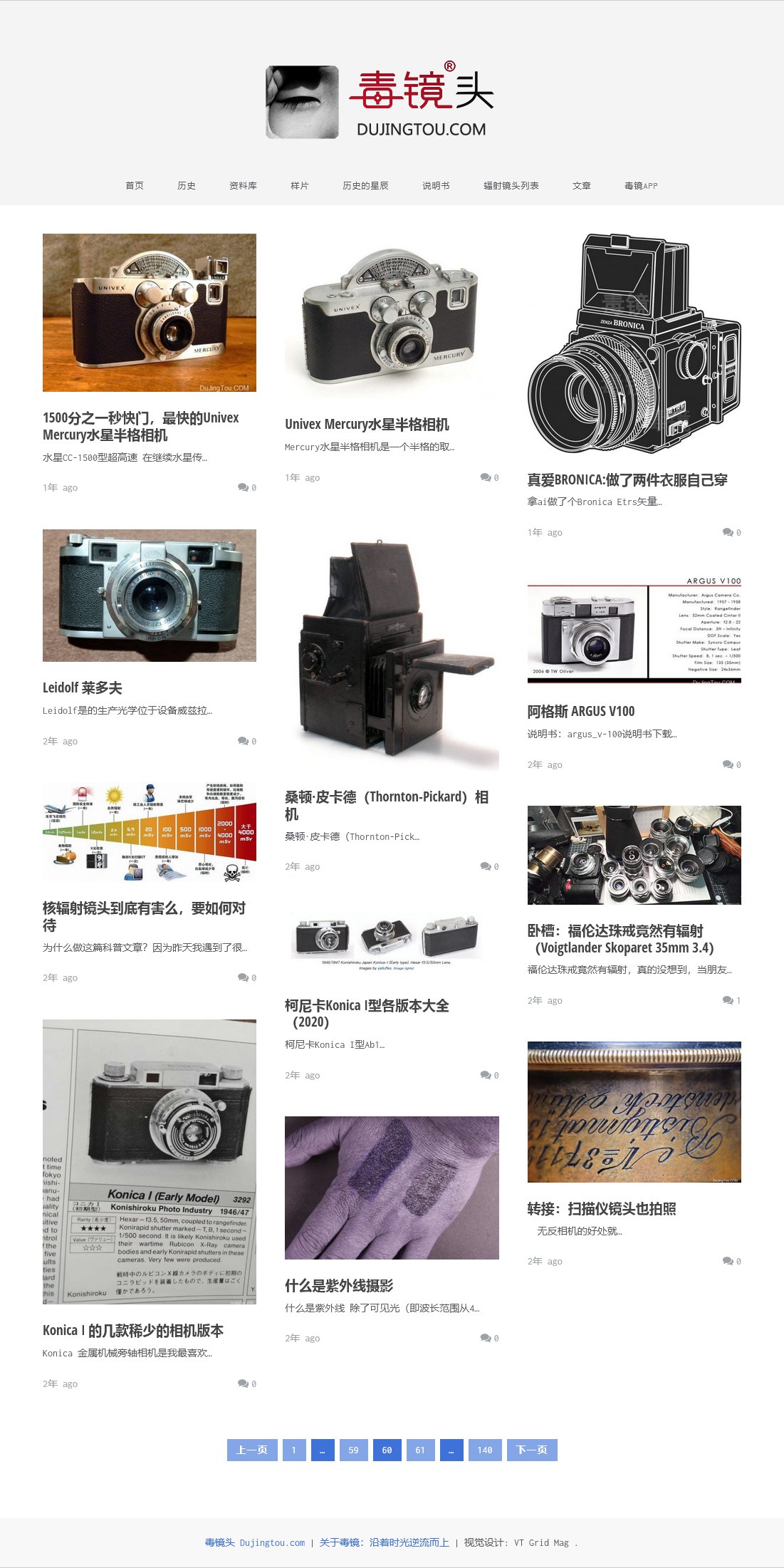
The
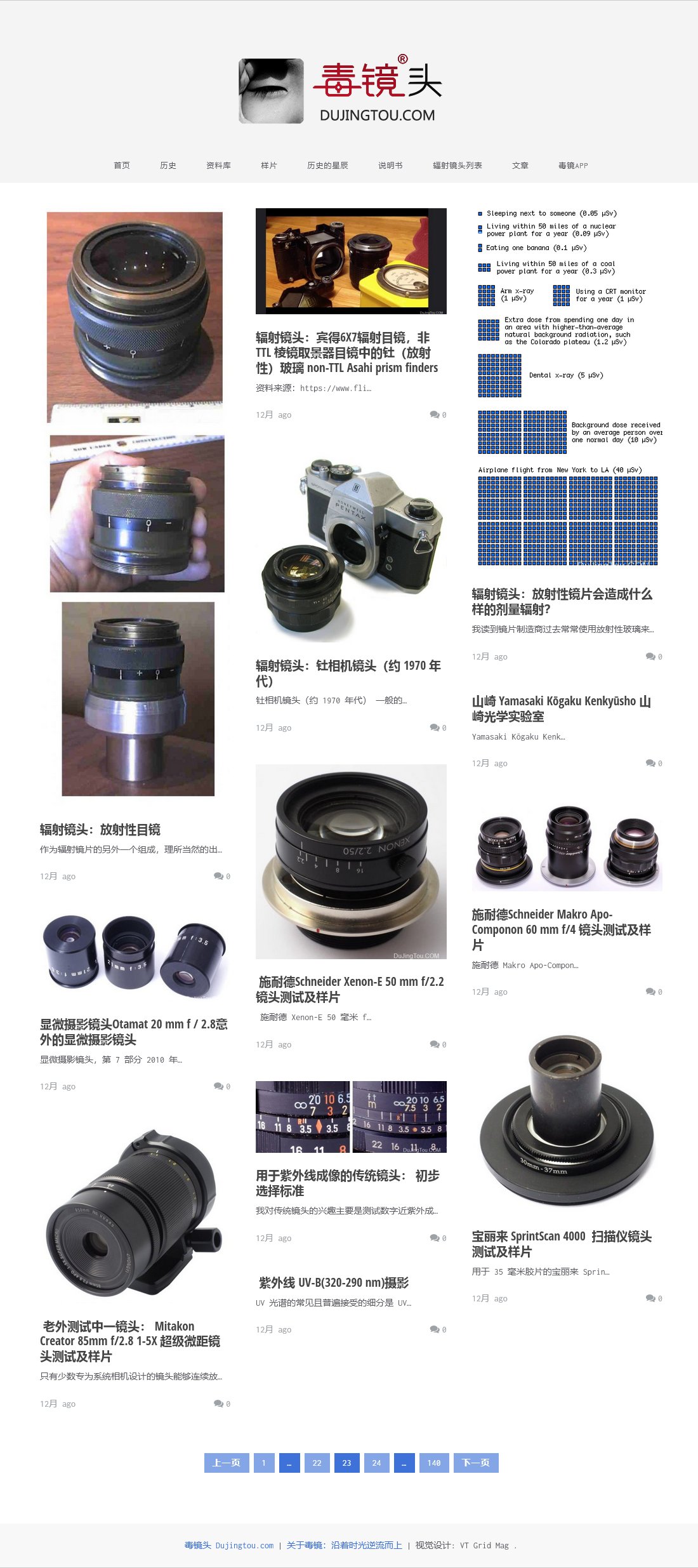
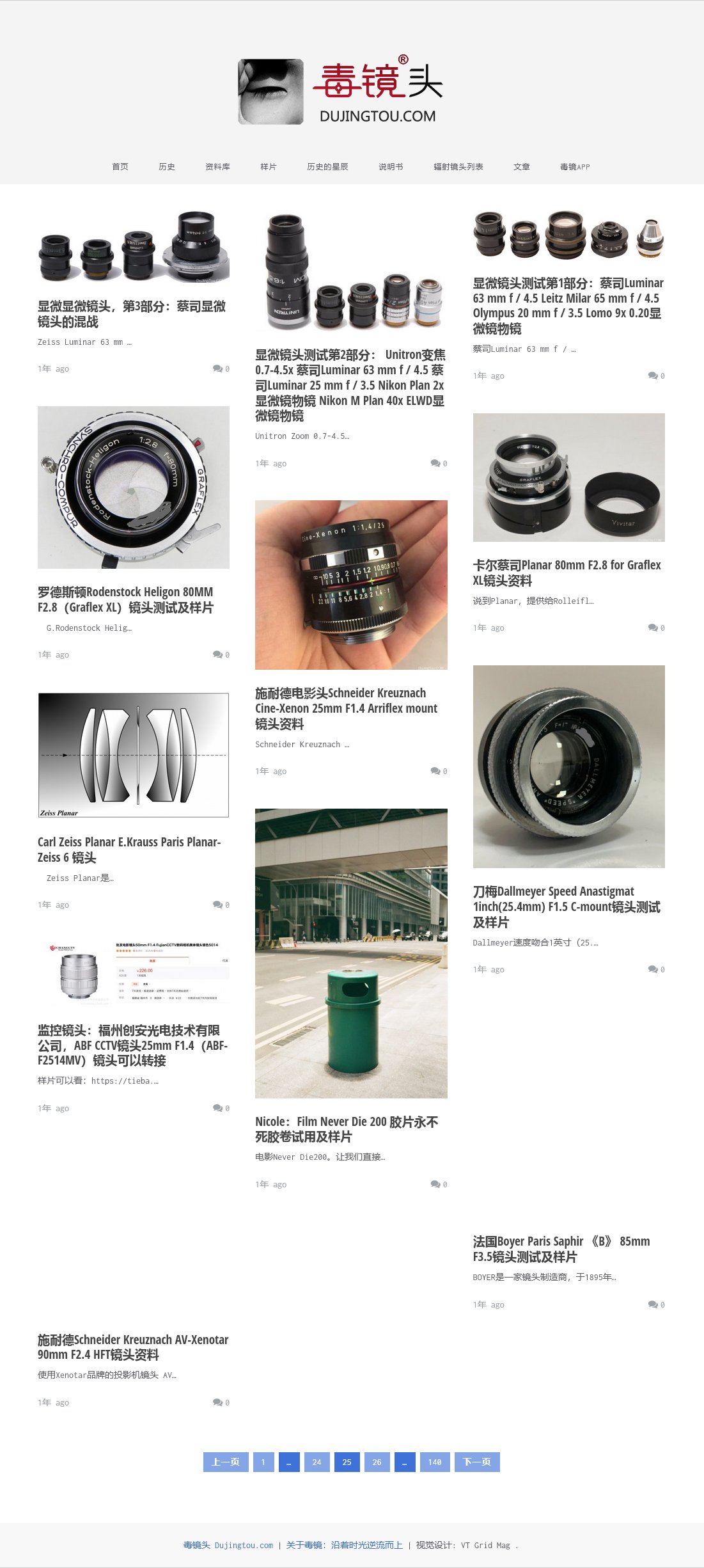
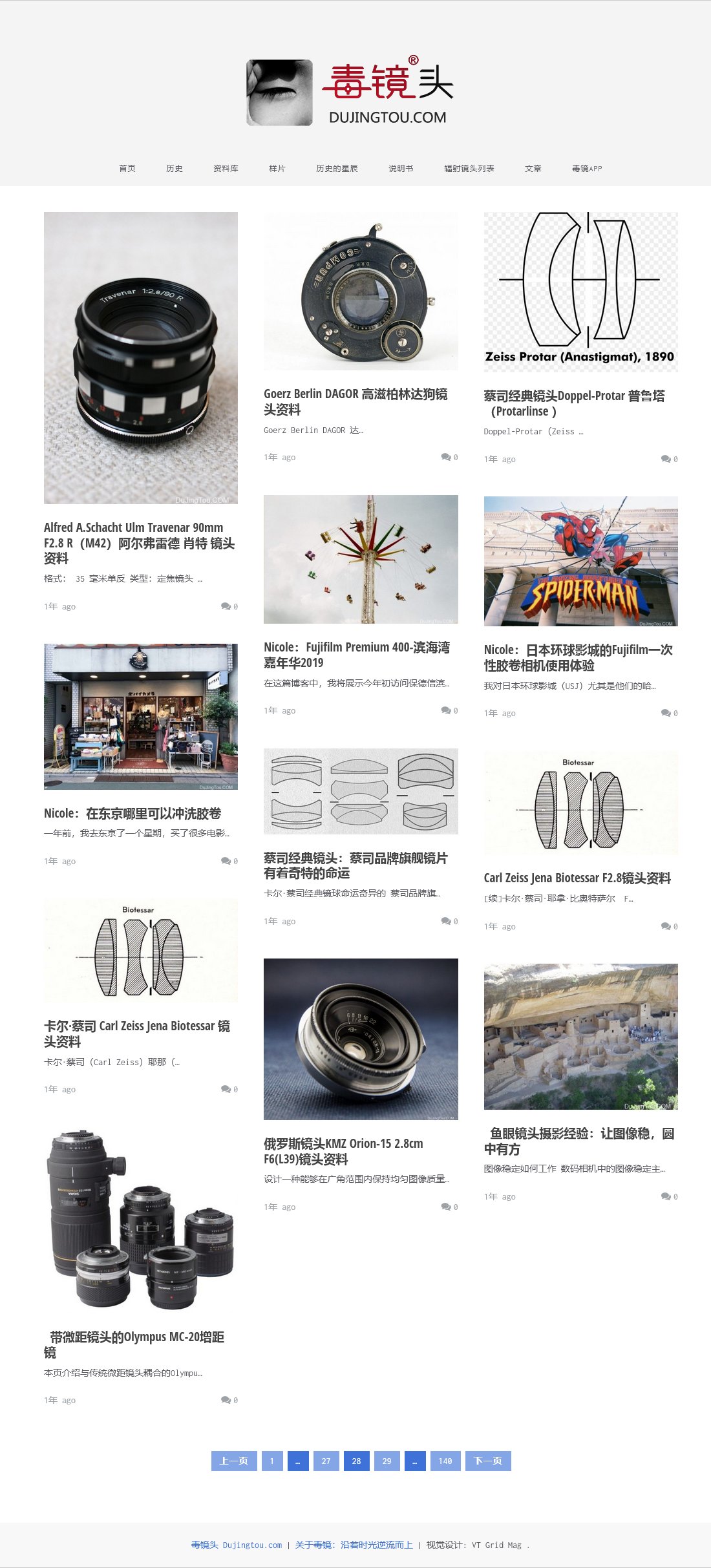
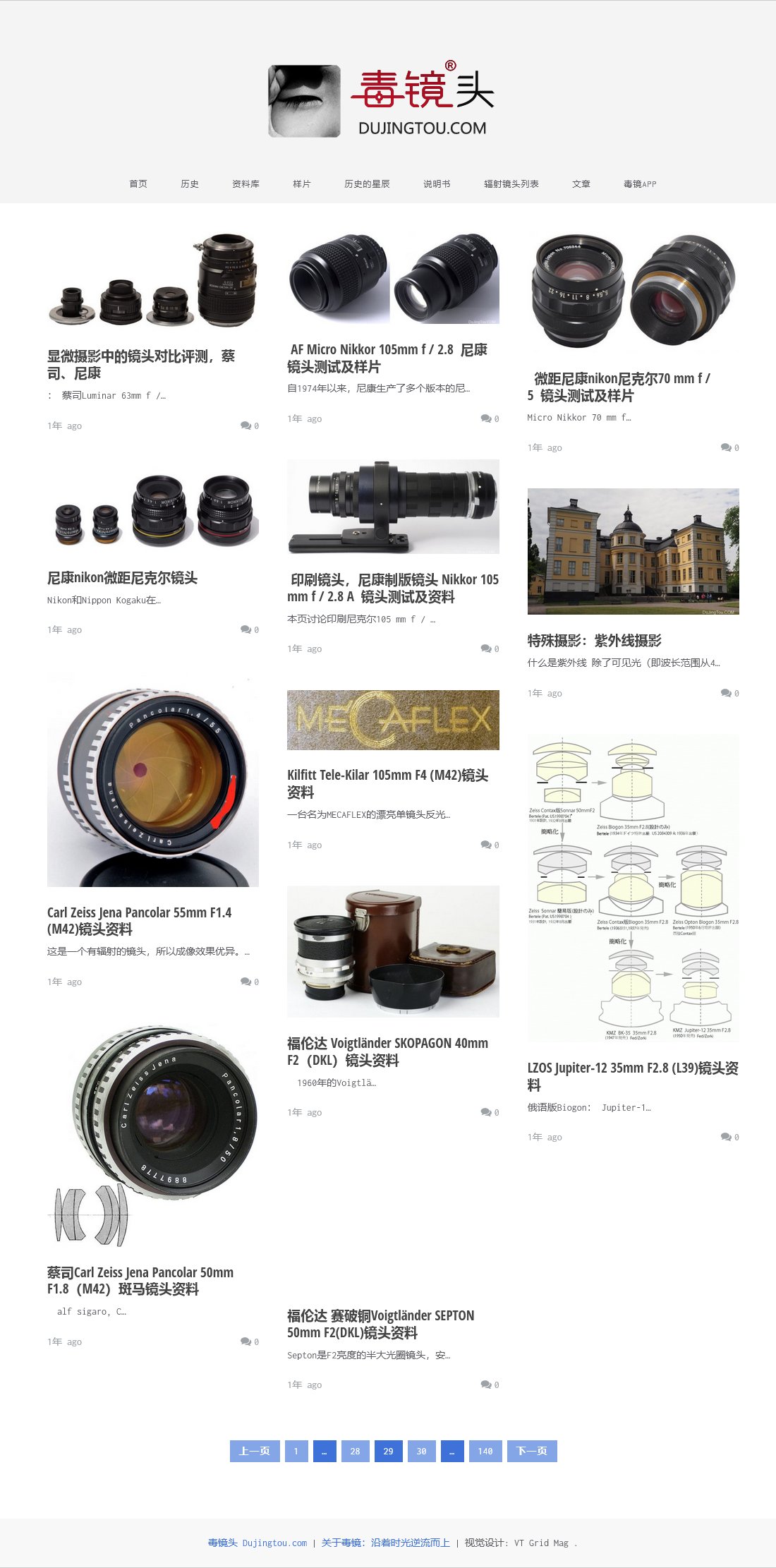
following are screen dumps of index pages on dujingtou.com that point to pages copied and translated
without permission from my web site. The red frames indicate such pages. It is likely that the other pages
are also copied without permission from other web sites. The index page numbers change as new articles are
added on dujingtou.com, so page numbers and how the pictures are distributed on each page may look
different now than at the time I captured the screen dumps (May 30, 2022). Click any image below to see a
larger copy.
If you came here from dujingtou.com, or for that matter from anywhere in China, don't tell Uncle Xi
. He strongly dislikes the
home page of my site.



 Several months
after I published this page, I was contacted by e-mail by the author of the site discussed below. That
e-mail became subsequently buried in a backlog of unread messages that accumulated during a vacation
abroad, and I accidentally discovered it over a year afterwards. In it, the author of these unauthorised
translations explained that he had meant his website mainly as an archive of data for personal use, and
that he would take offline the translations of my pages (which he did).
Several months
after I published this page, I was contacted by e-mail by the author of the site discussed below. That
e-mail became subsequently buried in a backlog of unread messages that accumulated during a vacation
abroad, and I accidentally discovered it over a year afterwards. In it, the author of these unauthorised
translations explained that he had meant his website mainly as an archive of data for personal use, and
that he would take offline the translations of my pages (which he did).  . He strongly dislikes the